Home improvement projects can be a great way to make your house cozier and more presentable. They can also increase the value and the ROI of your house. However, you need to understand what upgrades you can take on yourself and which requires professional help.
If you are a homeowner in the area of Lake St. Louis, MO, you might want to consider leaving the structural work, electrical and plumbing modifications, and huge renovations to the experts.
But how do you know when you need to call a professional home contractor? Let’s discuss some of the primary warning signs that suggest you should not attempt to fix those issues on your own.
Structural improvements are among the most critical projects to consider before even thinking about doing them. Taking away an internal wall, adjusting a load-bearing construction, or changing the roofline or the foundation may harm the house’s integrity.
A seemingly simple job of taking out a segment of the wall may involve the removal of essential services, or the wall could have been load-bearing and should have been left alone. Cracks and sagging are among the potential consequences of an improperly executed project.
Hire a professional contractor to assist with your project, if you need to
• remove or relocate walls,
• make changes to any beams or foundations,
• repair cracks or uneven floors,
• alpine your roof structure, add rooms, or any other major work
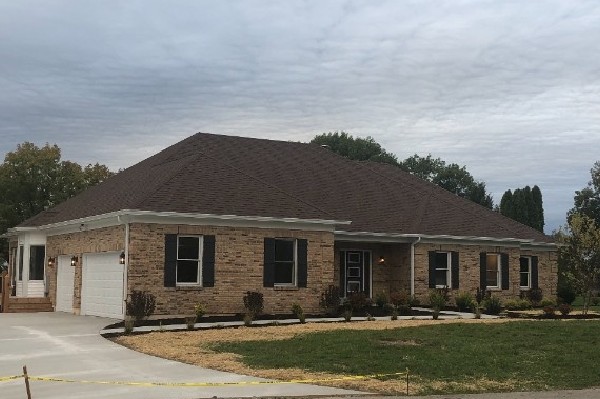
A professional contractor can advise you of what the next steps should be and will enlist the help of a structural engineer if needed. Professional help with any major structural changes is highly advised for any homeowner looking to make any major renovations in Lake St. Louis.
While replacing a light fixture or a faucet is a relatively simple task, any more involved electrical or plumbing job has the potential to create safety hazards.
New circuits and panel work, plumbing that involves relocating pipes, and large-scale bathroom and kitchen renovations are all jobs best left to the professionals, who will also deal with any permits required by the local authorities.
Professional help should be sought immediately if the following situations occur:
➝ Circuit breakers are tripping frequently
➝ Strange burning odors are present or electric outlets are warmer than usual
➝ There are water leaks or frequent plumbing issues
➝ There are water stains from possible hidden plumbing problems
➝ Sinks, showers, toilets, or other appliances need to be relocated
Do not try to remedy a potentially dangerous electrical, gas, or water situation. A qualified technician can evaluate the problem and propose a suitable solution.
Some projects are simple, like updating your kitchen, or the basement, or any given floor. However, it may involve a variety of tasks.
Such as, updating your kitchen may include cabinets, electrical, plumbing, flooring, and re-doing walls or lights. You have to make sure that everything is done accordingly, because otherwise it can result in conflicts and extra costs.
A professional home improvement contractor can help oversee the project, and create schedules for the project, as well as prevent or address conflicts.
Hiring a professional company might be a good idea if
• you have to renovate several rooms,
• multiple types of jobs need to be completed in a certain order,
• you need to manage the materials and other contractors,
• your project involves structural or utility changes,
or you want to ensure that everything is done in an organized way.
Coordinating all aspects of the improvement can make the whole process a lot easier, especially if you hire an expert team to help you with the renovations and additions.
Not every home improvement project starts with a design. It can sometimes be the reality of seeing the need for help with a professional.
Water stains, moisture, cracks, and unevennesses can appear in any project showing something is wrong but only cosmetic repairs may be seen.
The following are examples of the types of conditions you should report as soon as possible:
➣ Cracks (widening, re-opening): May need an evaluation as to the cause.
➣Moistness (leakage): Persistent dampness, peeling paint, or a musty odor may be an indication of a leak or moisture problem.
➣ Sagging or sloping floors or ceilings should be evaluated as soon as possible
➣ Leaking roof or outside surfaces should be checked immediately.
➣ Doors and windows that bind (won’t open or close) usually have more than one cause.
Projects that add square footage typically require more planning than smaller scale remodeling projects.
For instance, a basement finish-out can include moisture management, insulation, electrical, ceiling height, and emergency Egress (if required by code). New home additions can consist of foundation work, structural connections, roofing, utilities, and can have to do with the local zoning process.
Permits or inspections may be required for either project, depending on the requirements in your area and what you’d like to do.
Before beginning a major project, think about whether you need help with:
▸ Assessing the existing structure and site conditions.
▸ Developing a realistic project scope.
▸ Coordinating construction trades.
▸ Navigating permits and inspections.
▸ Choosing materials appropriate to the use.
▸ Managing the sequence of construction activities.
A professional Home Construction Company can help you organize the myriad issues that must be addressed in a major project and can identify issues that could impact the project’s scope, schedule, or outcome.
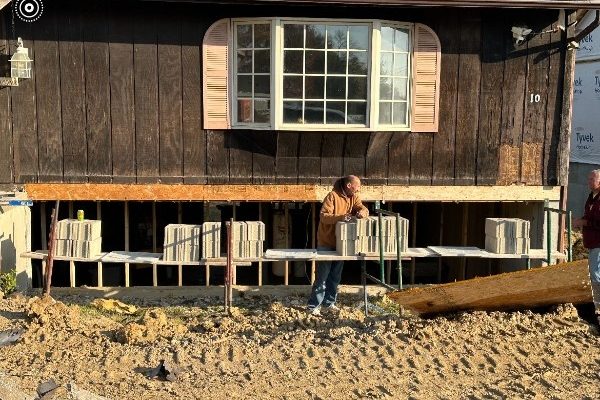
DIY can sometimes be good for smaller jobs if one has the skills, tools, and time to do it. But a task can get out of hand after it has already started.
One could find damage behind a wall, uneven subflooring under the flooring, old wiring, or plumbing that needs to be replaced. A number of things can come up unexpectedly once work has started.
Consider hiring a professional if
• the job is continuously late,
• you’ve purchased materials that don’t fit the conditions,
• repairs have to be reworked due to installation errors,
• you’re uncertain how to properly finish an important task,
• or the project is more than you can handle.
Having a hired contractor does not necessarily mean the job will be cheaper, but proper planning and workmanship can prevent unnecessary errors and give a realistic perspective of the task at hand
A pro contractor can advise you what the requirements are and assist with any of the processes involved. You might need to hire an electrician, plumber, architect, or structural engineer as well, depending on the project.
Before hiring a contractor, ask:
➜ What permits or inspections may be required?
➜ Who will coordinate the permit process?
➜ What work will be completed by subcontractors?
➜ How will unexpected conditions be handled?
➜ What documentation will be provided at completion?
Clear answers help you understand the project’s scope and responsibilities before construction begins.
Now that you’ve determined that your project requires professional assistance, the next step is to find a qualified contractor
Here are some suggestions to help you do that:
1. Ask about qualifications and insurance. Inquire about experience, required licenses, and insurance. Confirm if they have the necessary licenses for the work you need.
2. Ask to see similar projects they have completed. If possible, view their past work that is comparable to your planned project.
3. Obtain a written estimate that includes a description of the work to be done or materials to be supplied, together with any applicable schedule of payments, time schedules, and exclusions.
4. Specify the scope of the job, including what, if any, work is to be performed by subcontractors, and how changes in the scope of work are to be approved.
5. Determine responsibility for obtaining and coordinating inspections and permits
6. Examine communication practices. Think of a contractor that can offer you his professional advice, answer your questions and keep you updated about the project’s progress.
7. Ask for references and reviews. Pay close attention to what people are saying about you and your work.
By taking the time and effort to assess these factors, you will be able to find the right professional for the job and your satisfaction.
Affinity Building Solutions can be a starting point for homeowners exploring professional construction and home improvement options. Before moving forward, discuss your goals, project requirements, and the services available to determine whether the company is the right fit for your needs.
Contact Affinity Building Solutions to learn more about your options and take the next step toward planning your project.
Projects involving structural changes, major electrical or plumbing work, additions, basement finishing, or extensive renovations often require professional assistance. Permit and licensing requirements vary according to the project and location.
If the project involves specialized tools, structural modifications, hidden utilities, multiple trades, or work you cannot safely complete, consult a qualified professional before proceeding.
A qualified contractor can help identify potential problems, plan the work sequence, coordinate trades, and recommend appropriate materials. These steps may reduce avoidable rework, although unexpected conditions and additional costs can still occur.
Some projects require permits or inspections, while others may not. Requirements depend on the work being performed and the property’s applicable jurisdiction. Check with the relevant local building department before starting construction.
Ask about experience with similar projects, insurance, applicable licensing, written estimates, project timelines, subcontractors, permit responsibilities, payment terms, and how changes or unexpected costs will be handled.
Contact a qualified professional when you notice worsening cracks, recurring leaks, persistent moisture, sagging surfaces, or other unexplained changes. Seek urgent assistance for conditions that may pose an immediate structural or safety risk.