
Decks in Missouri have a rough time of it–hot and wet summer, much rain, ice-freezing, and all the rest. Even a well-constructed deck can begin to wear out a lot earlier than anticipated without proper maintenance.
The good news? The proper seasonal plan will allow you to make your deck live longer, maintain its appearance, and prevent expensive maintenance.
This guide is divided into specifics of what to do during the year- according to the actual conditions that homeowners have to deal with in O’Fallon and the whole of St. Charles County.
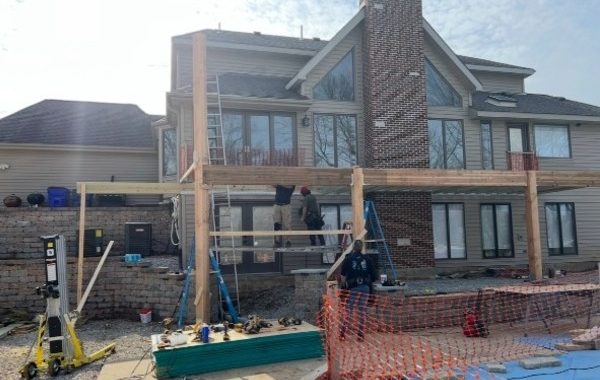
Missouri’s climate creates a unique challenge:
• Humidity → promotes mold and mildew
• Heavy rain → leads to moisture damage and wood rot
• Freezing temperatures → cause expansion and cracking
• Strong sun exposure → fades and weakens materials
If maintenance is ignored, small issues can quickly turn into structural problems.
Spring is the most important season for deck maintenance. Winter damage often isn’t visible until you take a closer look.
• Inspect for loose boards, nails, or railings
• Check for mold, mildew, or discoloration
• Look for signs of rot or soft wood
• Clean the surface thoroughly (remove dirt, debris, algae)
Use a gentle deck cleaner instead of harsh pressure washing. Too much pressure can damage wood fibers.
Missouri summers can be intense, especially in exposed outdoor areas.
If you feel air leaks, your windows are no longer sealing properly.
Poor insulation forces your HVAC system to work harder.
Warped or damaged frames can make windows hard to operate.
This indicates seal failure in double-pane windows.
Cracks, warping, or wood rot reduce performance and safety.
Modern windows significantly reduce noise levels.
Old windows can reduce curb appeal and property value.
Fall maintenance is all about preventing moisture buildup before winter.
→ Remove leaves and debris regularly
→ Clean gaps between boards
→ Ensure proper drainage
→ Trim nearby trees to reduce buildup
Leaves trap moisture, which can lead to mold growth and surface damage—especially during wet Missouri falls.
Winter is when decks take the most stress, even if you’re not using them.
➢ Clear snow with a plastic shovel (avoid metal edges)
➢ Avoid using harsh salt (can damage wood and finishes)
➢ Check for ice buildup in corners and stairs
Small cracks can worsen during freeze-thaw cycles, so it’s important your deck is sealed properly before winter begins.
Understanding your material helps you maintain it correctly.
• Require staining/sealing every 1–3 years
• More vulnerable to moisture and rot
• Natural look but higher maintenance
• Low maintenance
• Resistant to moisture and insects
• Occasional cleaning is enough
Composite may be the preferable choice when you need less maintenance over time, although either can last decades, with adequate maintenance.
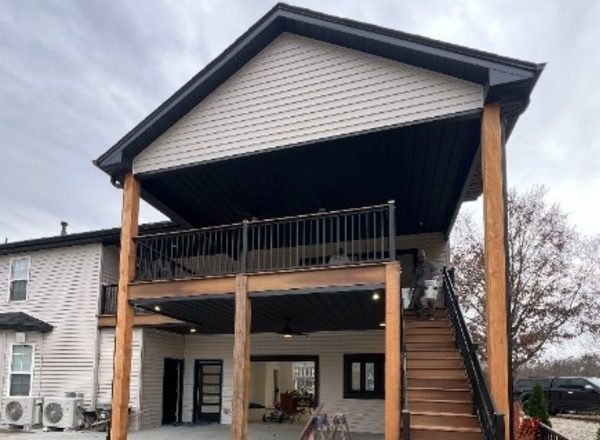
Many homeowners wait too long before addressing issues. Watch for:
→ Soft or spongy boards
→ Loose railings or steps
→ Cracks or splintering
→ Mold or dark staining that won’t clean off
→ Wobbling or structural movement
These are early warning signs that shouldn’t be ignored.
Sometimes, maintenance can only go so far. If your deck:
• Has structural damage
• Feels unsafe
• Requires constant repairs
…it may be more cost-effective to upgrade or rebuild instead of continuing temporary fixes.
From experience, decks in this area perform best when:
➢ Built with proper drainage and airflow
➢ Positioned to reduce water pooling
➢ Maintained consistently through seasonal changes
Missing a single season of maintenance might reduce the life of the product by a large margin- particularly where it is a wood deck.
At least twice a year—spring and fall. More often if your deck is surrounded by trees.
Late spring or early summer, when temperatures are moderate and conditions are dry.
Yes, but carefully. Too much pressure can damage wood surfaces. A soft wash is usually safer.
Yes, but much less than wood. Regular cleaning and inspections are usually enough.
With proper maintenance, wood decks can last 10–20 years, while composite decks can last longer.
Regular maintenance is the key to protecting your investment and avoiding major repairs. A little effort each season goes a long way in keeping your deck safe, functional, and visually appealing.
If you’re unsure about the condition of your deck or planning an upgrade, working with an experienced local builder can help you make the right decision for your home.
Affinity Building Solutions works with homeowners across O’Fallon and St. Charles County to repair, upgrade, and build decks designed for long-term performance in Missouri’s climate.