
Planning a home renovation, addition or new construction can be an exciting time, but with all of the details to consider, it can also be stressful. Many homeowners already have design ideas of their dream home, but when the time comes to actually start building, who will make sure that everything is properly coordinated and executed?
From supervising subcontractors to ensuring that the job is completed on time and within budget, a general contractor has the skills and experience to do it all. Without the help of a professional general contractor, many things could go wrong causing you unwanted stress and expenses.
When looking for a general contractor near me, I want to ensure that they have the skills not only to manage my project but can get the job done as well.
One of the most common errors made by homeowners is to start working on a project before it has been thoroughly planned.
For instance, if you know what you want, you might want to start demolition or material purchases right once. However, construction projects typically require decisions about:
• Project scope
• Materials and finishes
• Budget
• Scheduling
• Permits and inspections
• Subcontractors
• Structural requirements
• Design details
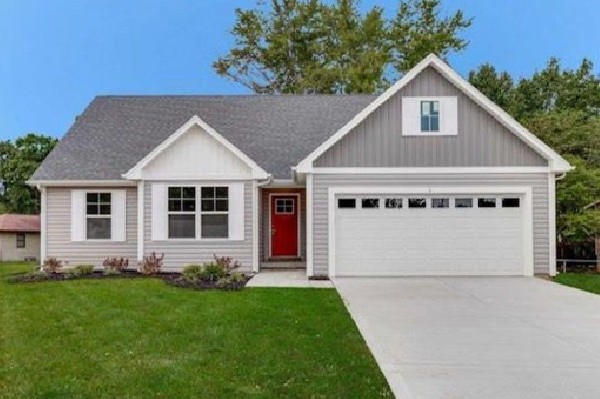
Changes made during construction can result in higher costs and longer construction times if these decisions are not taken in advance.
In almost every case, remodeling or reconstruction will require the services of a number of different types of contractors. For example, there may be electricians, plumbers, carpenters, painters, floor installers, heating and air conditioning contractors and many others.
Trying to control them all can be an overwhelming task, especially if you have to deal with each one on an individual basis.
What happens if your plumber can’t finish the job on time and your flooring contractor shows up? What if the work of one of your contractors is necessary for another one to be able to do his or her job?
A building contractor or general contractor can coordinate different professionals and organize the sequence of work.
Instead of homeowners constantly asking, “Who is coming next?”, the project can follow an organized schedule.
This can help reduce:
▸Scheduling conflicts
▸Communication problems
▸Project delays
▸Rework
▸Unnecessary labor costs
Price matters when planning construction. But choosing a contractor for the cheapest estimate can actually cause you to get billed for more than you budgeted for.
Two estimates might look different because they have different projects, materials, labor, warranties, or allowances.
Before comparing two estimates, first compare the details of them.
Ask questions such as:
→ What work is included?
→ Which materials are included?
→ Are permits included?
→ Who coordinates subcontractors?
→ What happens if unexpected issues are discovered?
→ How are changes handled?
→ What is the estimated project timeline?
A professional general contractor should be able to explain the scope and pricing clearly.
Another common misconception is that the renovation job or new home will be finished in a few weeks, since it looks simple enough.
Actually, there are a lot of variables that can interfere with your construction schedule, such as materials, inspections, weather, subcontractors, design changes, and site conditions, to name a few.
Unseen problems such as faulty wiring, plumbing, moisture, or structural inadequacies can be discovered when a wall is opened up during remodeling.
Permits and building requirements are a detail that cannot be ignored by the homeowners.
Depending on the nature and the scale of the project, local authorities may have certain requirements for structural alterations, electrical and plumbing work, additions, and other types of construction.
Failure to follow them may lead to difficulties when trying to sell the house or refinance the loan.
It is common for people to come up with new ideas while building a project.
You may decide you want another type of wood, or you may realize that a different wall removed would look better, but too many changes can be costly and time consuming.
Even a seemingly small change can require:
➢ Additional materials
➢ Additional labor
➢ Schedule adjustments
➢ Changes to previously completed work
➢ Coordination with other trades
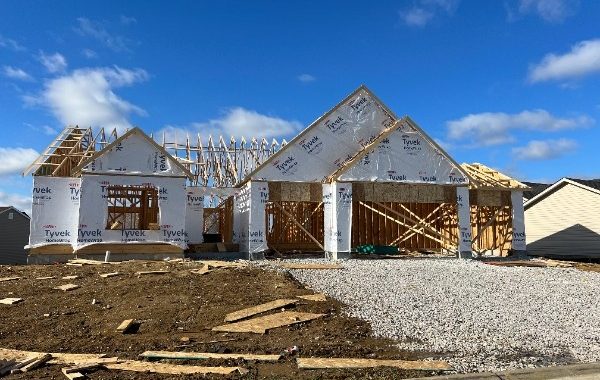
While DIY can be great for smaller jobs, bigger renovations and building projects require a lot more than just the sweat of the homeowner. In addition to all that physical labor, someone also has to manage the job, oversee the progress, talk to suppliers, solve problems, review the work, and so on. And in the meanwhile, the homeowner also has to get on with their day-to-day life.
Not easy, is it?
A general contractor near me search commences, when homeowners learn about the importance of having a professional to organize.
A general contractor can act as a single point of contact for the owner, subcontractors, suppliers, and others.
There are several factors that you should take into account when searching for the best general contractor.
Prior to hiring a general contractor, it is essential that you ask yourself the following questions:
Hiring a contractor with previous experience handling similar types of projects is key.
You should feel comfortable asking questions and discussing your project’s progress during the process.
Look at previous projects, customer feedback, and available references to understand the contractor’s reputation.
Ask about applicable licensing, insurance, bonding, and other qualifications relevant to the work.
A detailed estimate can help you understand the expected scope, materials, labor, and costs.
Ask how the contractor handles scheduling, subcontractors, materials, inspections, and unexpected issues.
A good remodeling contractor should make the construction process easier to understand—not more confusing.
Your home improvement project needs more than a cast of loosely-connected contractors and willy-nilly planning.
Whether you’re working on a repair, remodel, or larger home addition and improvement project, an experienced general contractor in O’Fallon, MO can provide the expertise you need to make the whole process go smoothly.
From planning and project scheduling to subcontractor coordination and actual construction, having a qualified overseer gives your project the best chance of finishing on time and on-budget.
Plan your next O’Fallon home improvement project with a local building contractor before breaking any ground.
A general contractor manages and coordinates construction work. Depending on the project, responsibilities can include scheduling subcontractors, coordinating materials, overseeing construction, communicating with the homeowner, and managing project progress.
It’s best to involve a general contractor during the planning stage, particularly for major renovations, additions, or construction projects. Early involvement can help with budgeting, scheduling, project scope, and contractor coordination.
Search for local contractors with relevant project experience, positive customer reviews, proper insurance and credentials, clear estimates, and a history of completed projects. You should also ask questions about communication and project management before hiring.
For complex projects, a general contractor can provide valuable project coordination. Managing multiple trades, materials, scheduling, and construction issues yourself can take considerable time and may increase the risk of costly mistakes.
The terms can overlap depending on the company and type of project. A general contractor typically manages multiple aspects of construction and coordinates subcontractors, while a building contractor may focus more specifically on construction or building-related work. Always confirm exactly what services a contractor provides.
The cost varies depending on the project’s size, complexity, materials, labor, and scope of work. Instead of relying on a generic price, request a detailed estimate based on your specific project requirements.
Yes. Comparing multiple detailed estimates can help you understand the expected project scope and pricing. However, don’t choose based solely on the lowest price—compare experience, materials, services, communication, and project management as well.